In the industrial dicing or julienne cutting of dried apricots, one of the main quality criteria is keeping the cut size as consistent as possible. A plant producing 8x8 mm apricot cubes expects pieces of similar size and appearance throughout the run. Dried apricot, however, is a natural product: diameter, thickness, moisture, softness and geometry differ from one fruit to the next. The technical distinction matters here. The machine can produce a fixed cut dimension, but because of the geometry of a natural product, not every piece can be expected to be mathematically identical.
01
The blade set defines the cut dimension
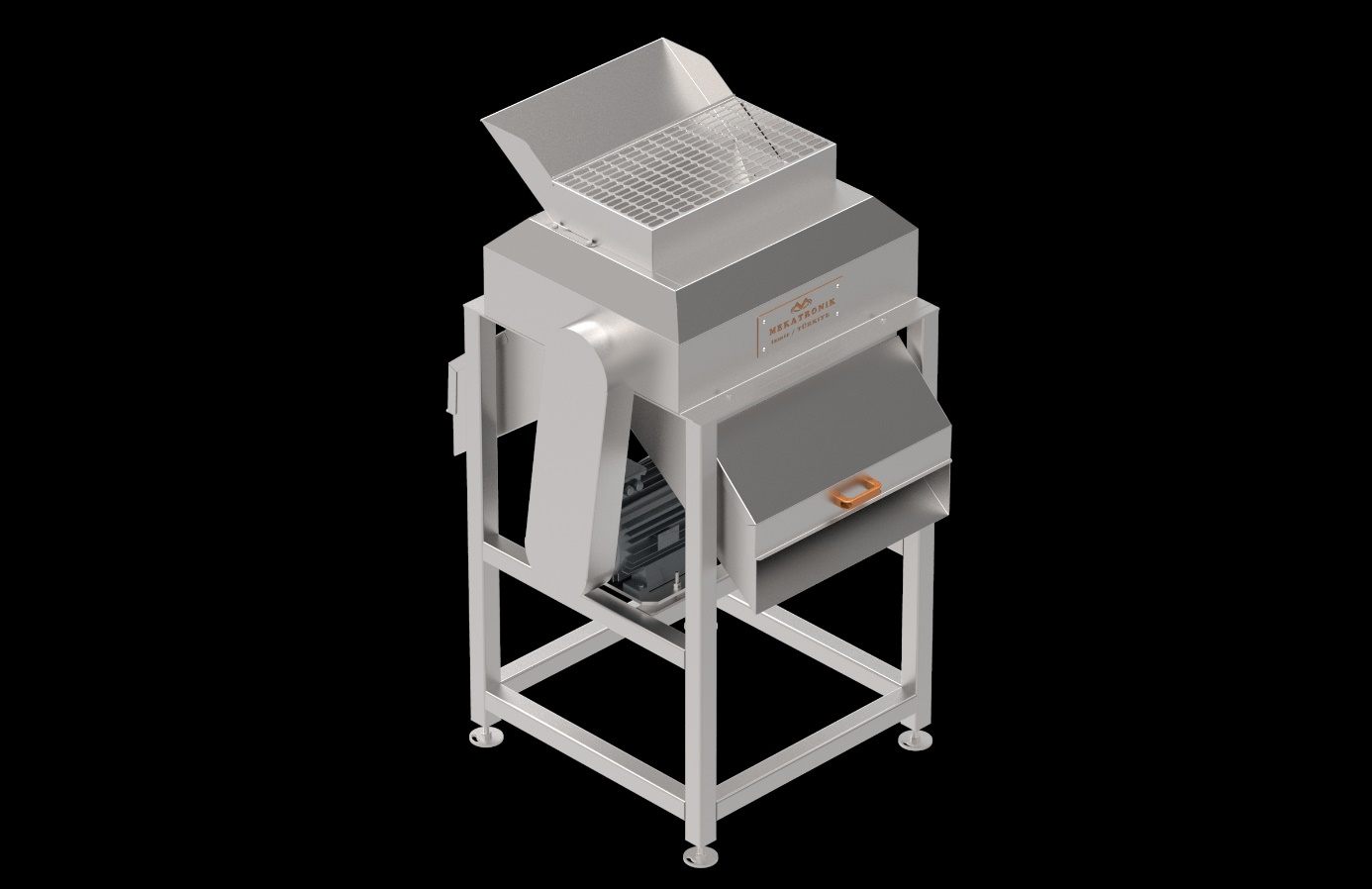
The main factor behind the target cut size is the blade set in use. In Mekatronik Makina dicing and julienne cutting systems, blade sets such as 5 mm, 8 mm and 10 mm can be applied according to the product required. When an 8x8 mm cube is the target, the blade geometry is selected accordingly, and keeping that geometry unchanged while the machine runs is what preserves the nominal cut dimension throughout production.
One point matters above the rest: the blade spacing is fixed, the geometry of the raw material is not. The right blade set on its own is therefore not enough for a good cut.
02
How do moisture and flesh thickness change the result?
Moisture content is the first parameter that shapes how a dried apricot behaves under the blade. A very dry product can act harder and raise the chance of unwanted fines during cutting. A very soft or high moisture product deforms more easily both on its way to the blades and during the cut. Even with the same blade set, two products at different moisture levels can give a different cut appearance. The aim in ideal production is that the product entering the chopping machine has moisture and texture that are as homogeneous as possible; the more standard the product condition, the more controlled the result.
Even when two dried apricots have a similar diameter, their flesh thickness may not match, and this counts especially in dicing. Although the blade system cuts at fixed intervals, the third dimension of the pieces changes as the thickness of the product changes. If one apricot is 12 mm thick and another 18 mm, not all the pieces leaving the same blade system can be geometrically identical. Nominal blade dimension and final product geometry are therefore not the same concept; the target is to keep the highest possible share of the pieces within the defined commercial size range. Sizing the product beforehand on a sizing shaker helps to narrow that distribution.
03
Why balanced feeding and blade sharpness set the standard
Feeding the chopping machine continuously and under control is critical for cut quality. If the machine is fed with too much product at once, the apricots can overlap, jam or reach the cutting section irregularly. Feeding that is too low or intermittent unbalances the production capacity. Balanced feeding gives a controlled product flow, and a controlled flow gives a more stable cut; this relationship is one of the basic principles of industrial chopping systems.
It is also not enough for the blades to be the right size; their sharpness has to be maintained. A sharp blade penetrates the product in a more controlled way, while a blunt blade applies more mechanical force to the product before it actually cuts. The results can include:
- 01Compression of the product and crushing of the apricot
- 02Edges that do not come out clean
- 03A higher share of small particles
- 04Deviations from the intended cut geometry
Periodic inspection of the blades, with maintenance or replacement when needed, is therefore important for keeping the cut standard sustainable.
04
Stickiness and controlled flouring
Depending on moisture and product characteristics, dried apricot can show a certain level of stickiness. Product sticking to itself or to machine surfaces disturbs the regular entry of product into the cutting section. In addition, once small cut pieces start to build up on the blade surfaces, cutting performance can change over time.
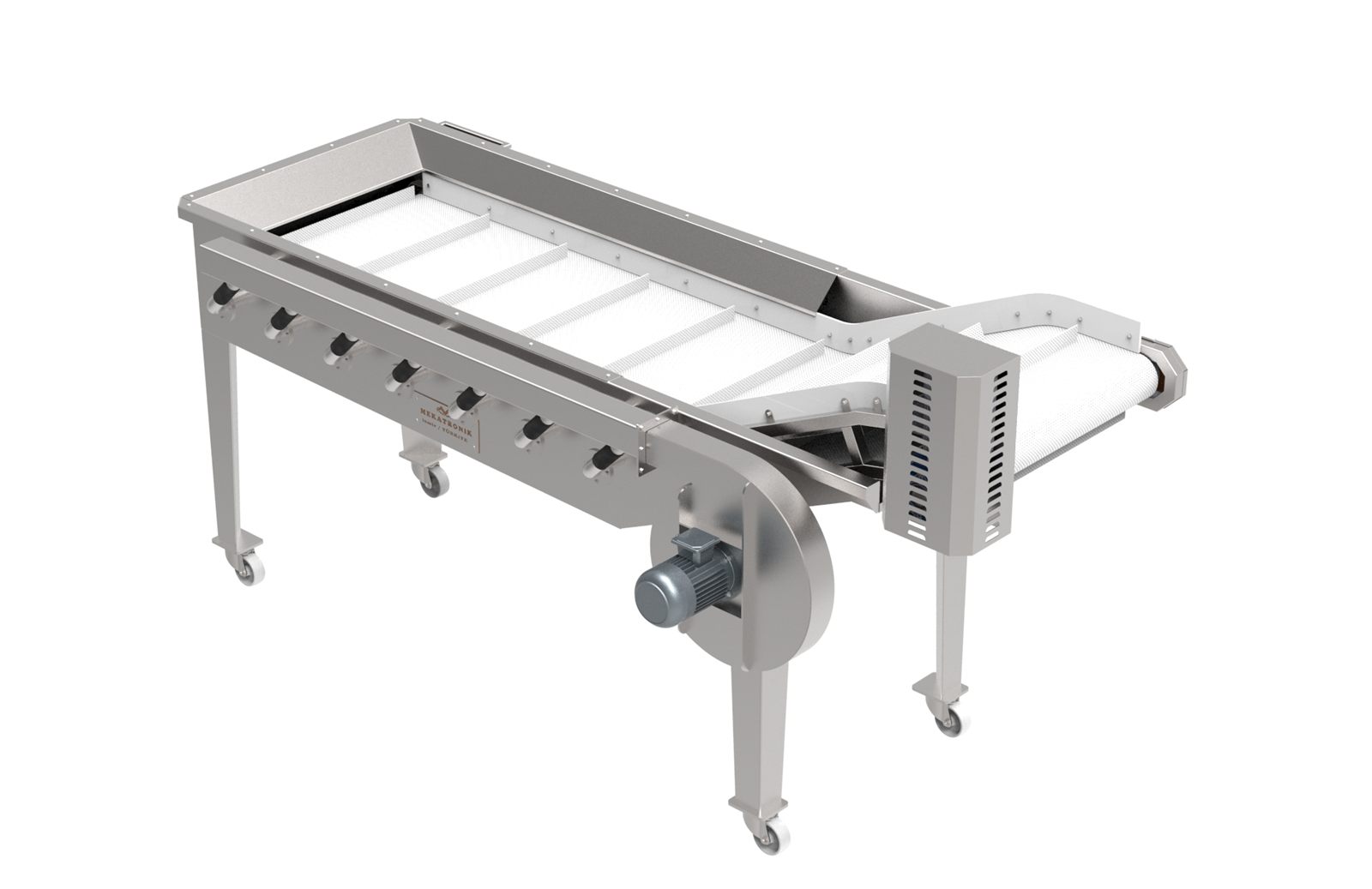
Depending on the product and the intended process, flouring or other systems that control surface stickiness and are suitable for food processing can be used. In Mekatronik Makina chopping lines, flouring and flour recovery systems can be integrated into the process according to the application. The aim is not to flour the product more than necessary but to reduce, with a controlled application, how much the product sticks to itself and to equipment surfaces.
05
Dicing and julienne: why is no piece exactly 8x8 mm?
Dried apricot is not cut only into cubes; it can also be produced in julienne or strip form according to the final product required. In dicing, the product is cut from different directions to form smaller pieces; in julienne cutting, a longer strip shaped product is the target. What the two processes share is that the cut geometry is set by the blade system in use. Because of the natural structure of the fruit, however, the stability of the result has to be assessed together with product geometry, moisture, feeding, blade sharpness and machine settings.
Using an 8x8 mm blade set does not mean that every piece will measure exactly 8x8 mm under a caliper. An apricot is naturally round or oval; a piece taken from the centre will not have the same form as one taken from the outer edge. The blade spacing does not change, but the point at which the product first meets the blade, and the geometry of the product itself, change constantly. The correct technical expression is therefore nominal cut size: the aim of a good system is not to make every piece mathematically identical but to keep the largest possible part of the distribution within the target specification.
06
Screening, cutting speed and real capacity
Standardising the cut size is not the job of the chopping machine alone. After cutting, pieces at the target size, fines and oversize pieces can all be present in the product. Professional lines therefore use a screening or calibration system after the chopper: pieces below the defined size can be separated, and if needed the oversize fraction can be taken off as well. The size distribution of the product going to packing then becomes far more controlled. Where a high standard is required, the right approach is to assess chopping and calibration together.
A higher machine speed does not always mean better or more efficient production. The right balance has to be found between the amount of product fed and the working speed of the cutting mechanism: feeding above what is needed increases product density and deformation in the cutting section, while running below it limits the total capacity of the line. The aim is not simply to reach the highest kg per hour figure but to find the optimum working point between capacity, cut quality and product loss.
Real capacity likewise does not depend on motor power or machine speed alone; it is the combination of apricot variety, product size, moisture, softness, target cut dimension, feeding pattern and the final quality required. Mekatronik Makina dicing and julienne systems include solutions that can reach levels of around 600 kg per hour at an 8x8 mm cut, but the real capacity varies with the product and the cut quality targeted. Trials with the customer's own product therefore give a significant advantage when deciding the correct machine configuration for a new project.
07
The process behind a consistent dried apricot cut
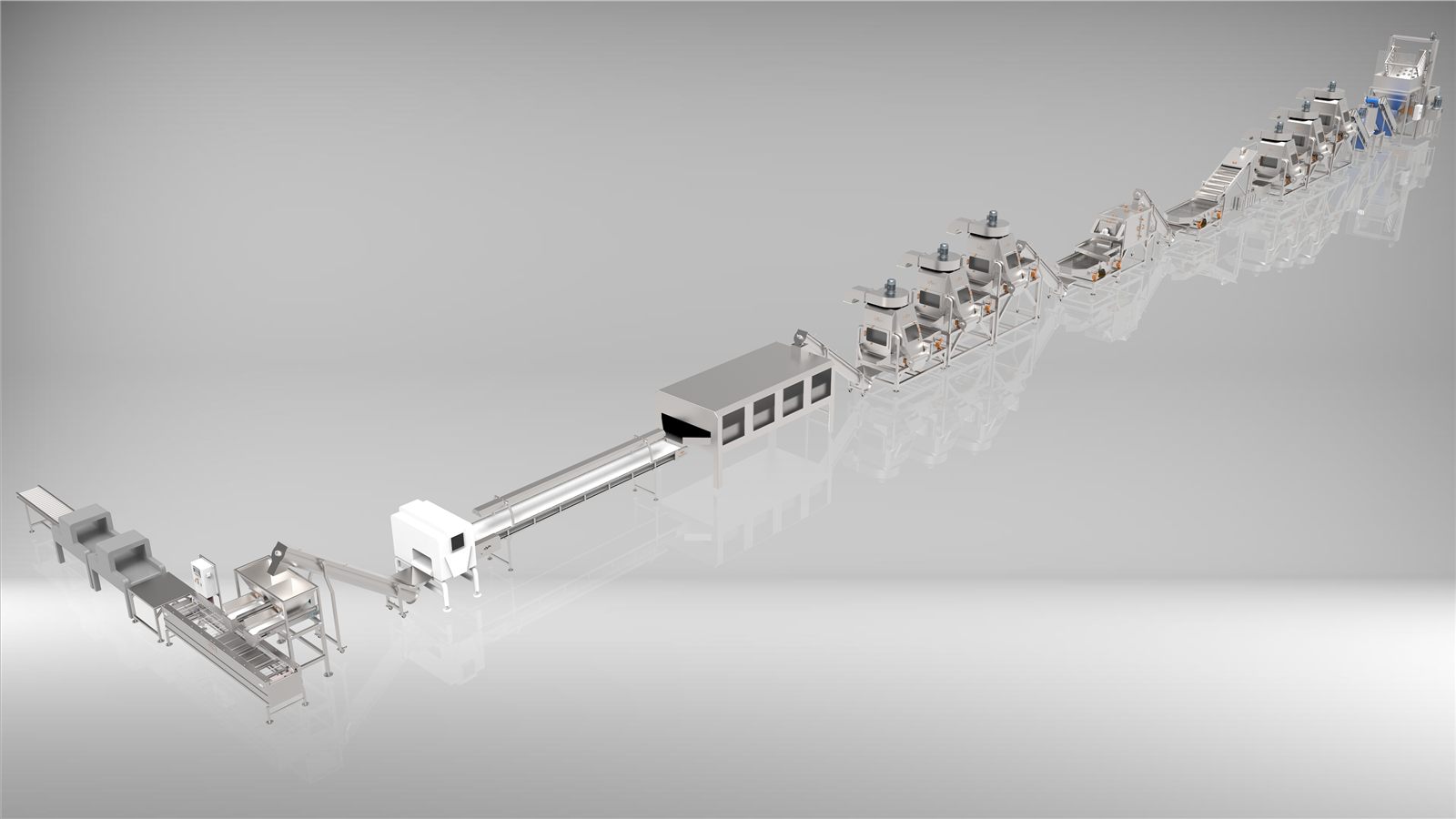
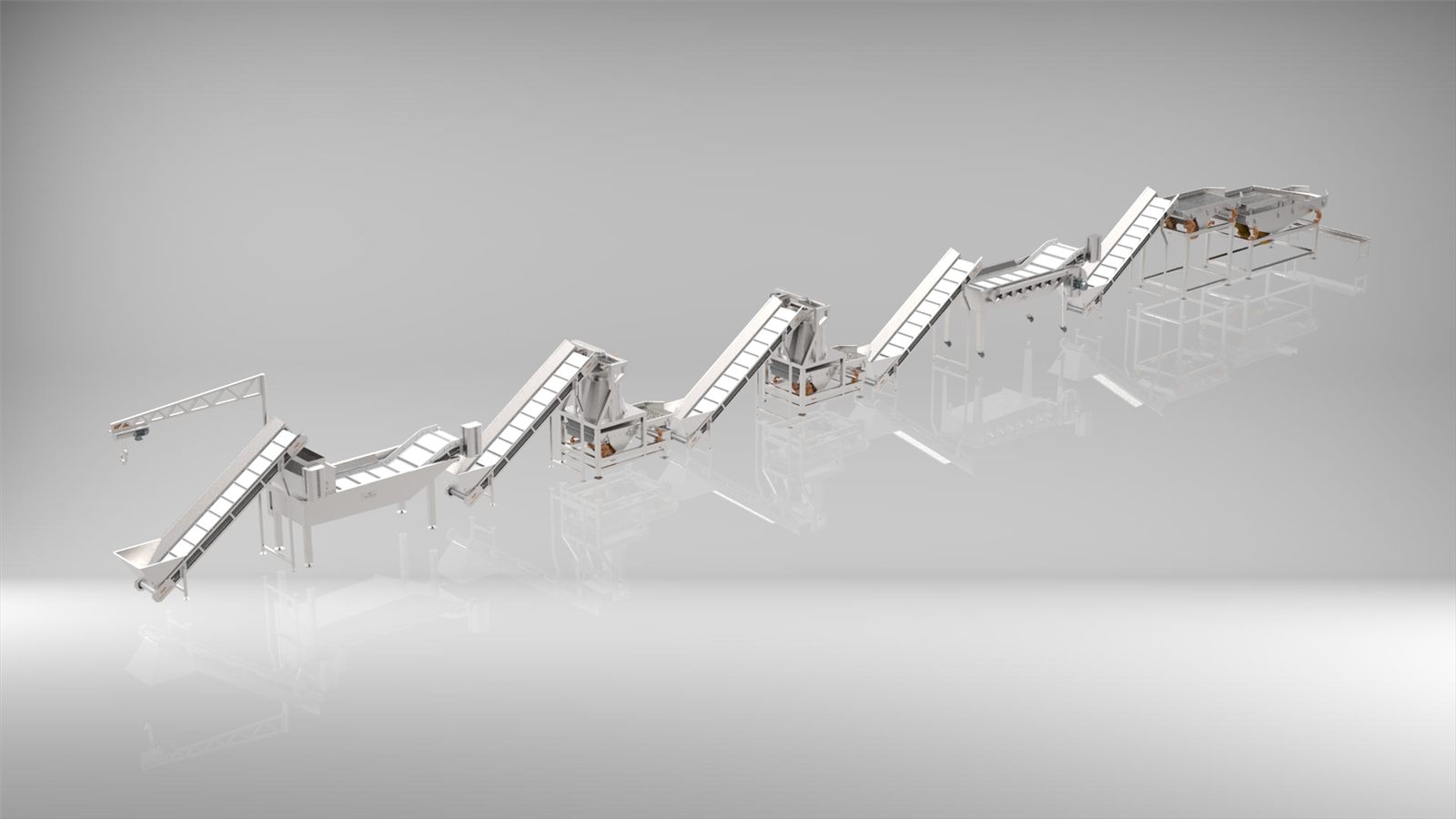
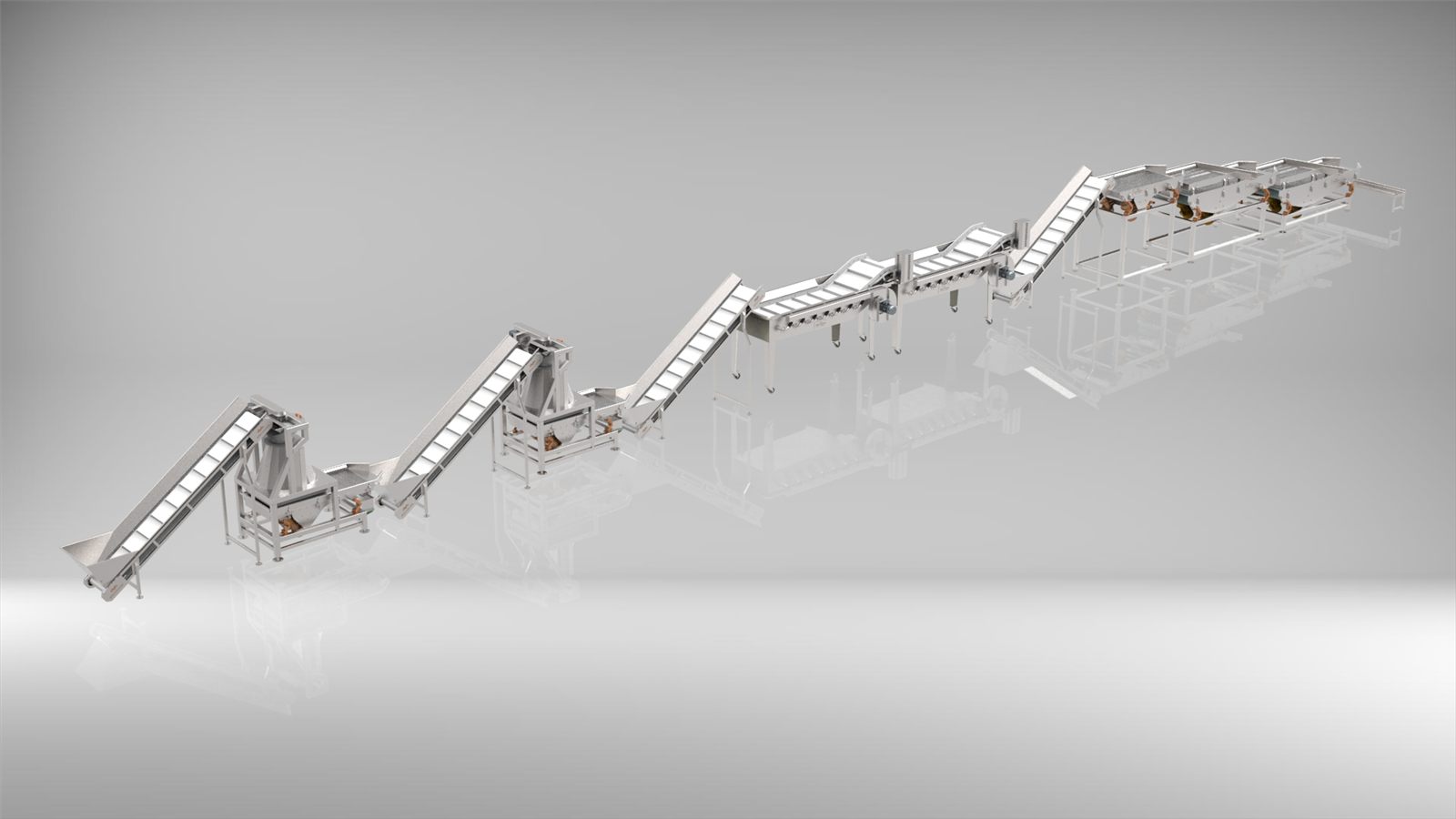
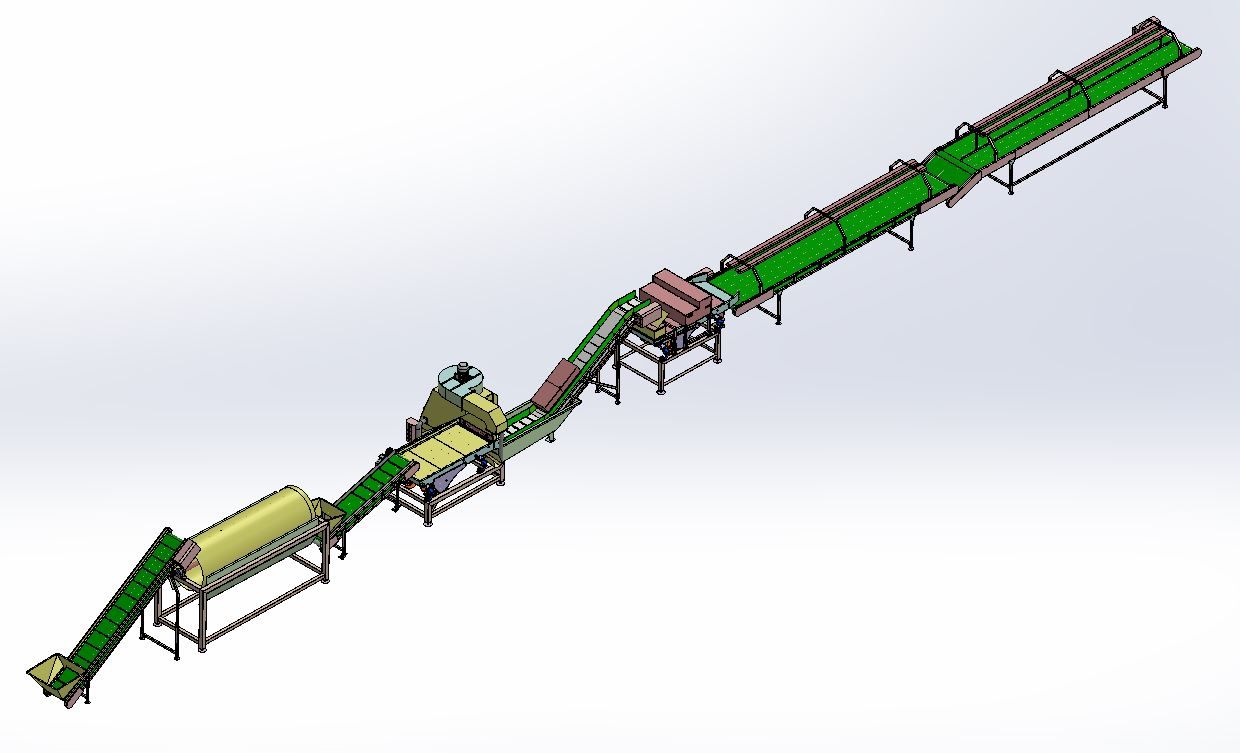
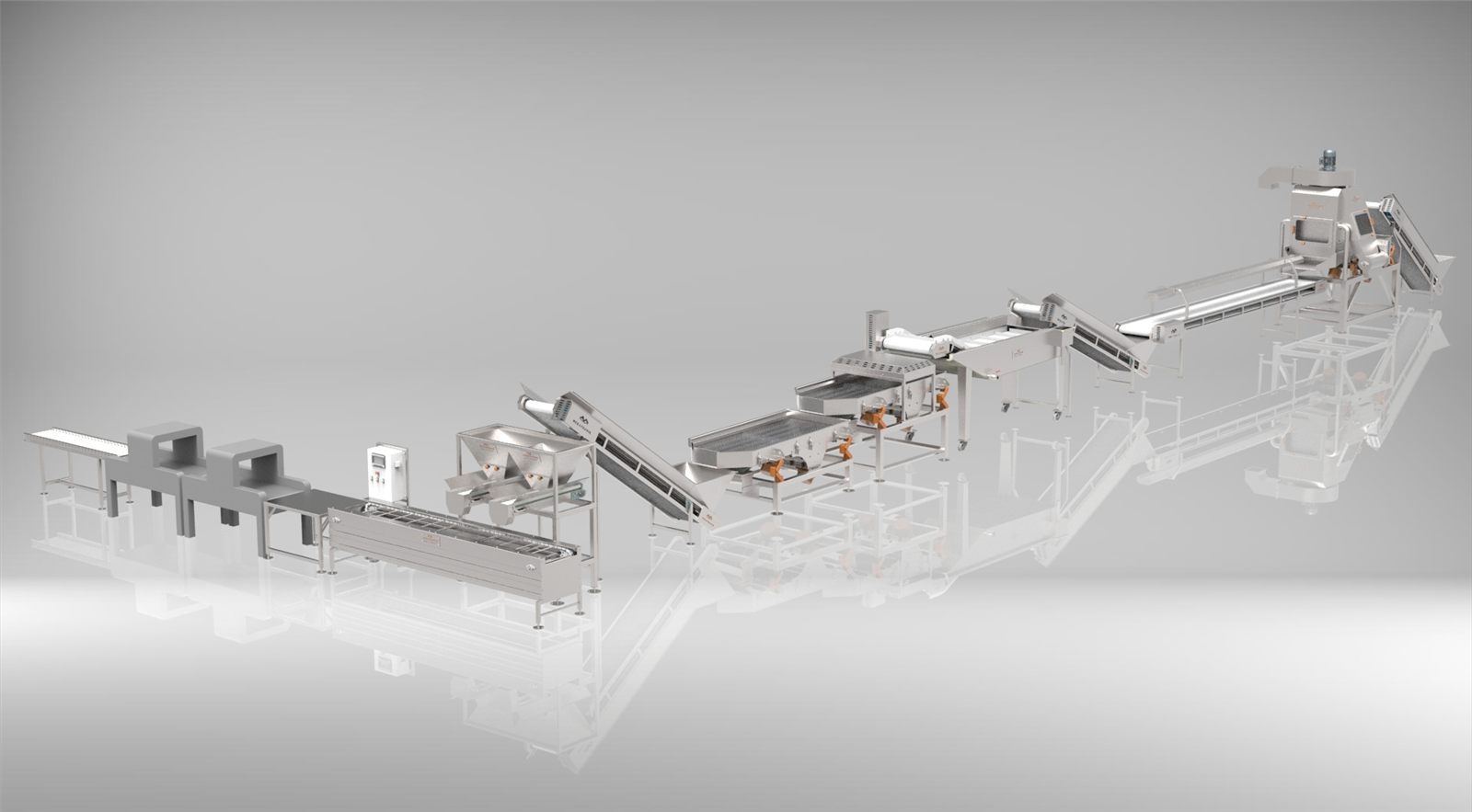
For a high and repeatable cut quality, assessing the chopping machine on its own is not enough. The dried apricot cutting process can generally be designed along this chain:
- 01Dried apricot intake and product inspection
- 02Sizing and pre classification
- 03Balanced feeding
- 04Checking the condition of the product
- 05Controlled flouring
- 06Dicing or julienne cutting
- 07Screening and calibration
- 08Flour recovery
- 09Final inspection, weighing and packing
Every stage in this chain affects the performance of the next one. Having the product reach the chopping machine with physical properties as similar as possible plays a decisive part in improving the cut standard.
Keeping the cut size consistent does not depend on the blade dimension alone. The blade system sets the nominal cut geometry, while the final product quality is decided together by the moisture, size, thickness and texture of the product, the feeding pattern, stickiness, blade sharpness and the screening applied after cutting. In high quality diced or julienne dried apricot production the basic approach is therefore not just to use a powerful chopping machine but to keep the processes before and after it under control as well. To arrange trials with your own product and a line design, share the apricot variety, the moisture range and the target cut size and request a quotation.